



Sustainable Cities and Communities
Build inclusive, safe, resilient and sustainable cities and human settlements.
Research on SDG11 - Sustainable Cities and Communities
【Publications】
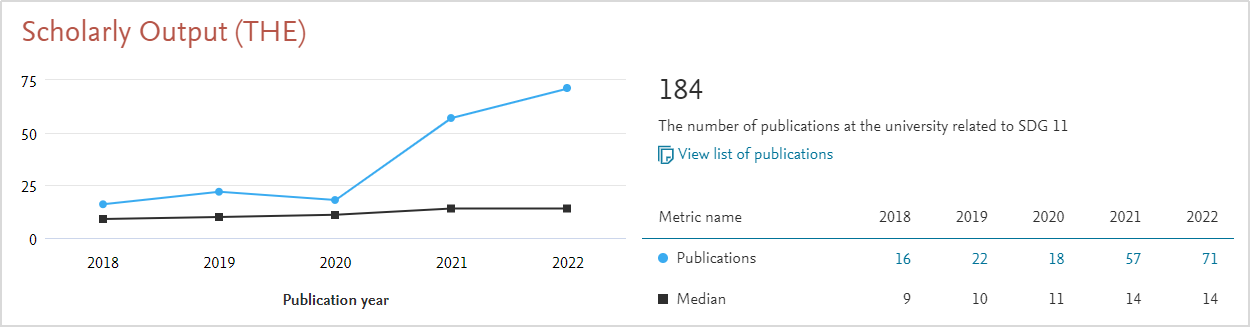
Figure 1 MUST SDG11 Paper Growth Trend
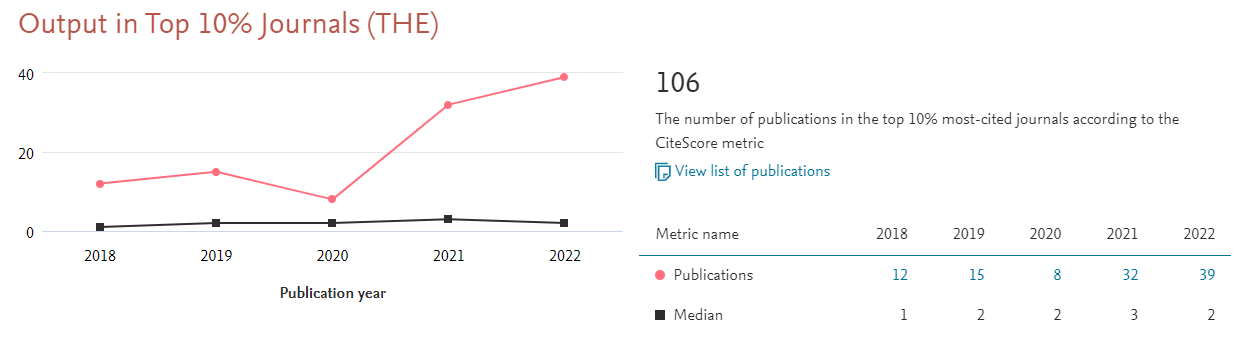
Figure 2 Number of MUST SDG11 Papers Published in Top 10% Journals
【Research Programs】
MUST SDG11 Research Projects | Department/College/Institute |
A Review of How the Internet of Things Promotes the Sustainable Development of Smart Cities - From the Perspective of Empirical Research | MSB |
Research on Urban Evolution and Sustainable Development Decision - Making Simulation | TISD |
Evaluation of Sustainable Development in the Guangdong - Hong Kong - Macao Greater Bay Area: Taking Macau and Western Cities in the Bay Area as Examples | TISD |
Support of arts and heritage
[Block R Comprehensive Teaching Building Awarded BEAM Plus Existing Building (Global Version) Platinum Rating]
On October 3, 2025, the Macau University of Science and Technology (MUST) Block R Comprehensive Teaching Building successfully passed the "BEAM Plus Existing Building (Global Version)" assessment and received Platinum certification. The certification work was completed by a team led by Associate Professor Dong Yahong from the Department of Environmental Science and Engineering, Faculty of Innovative Engineering.
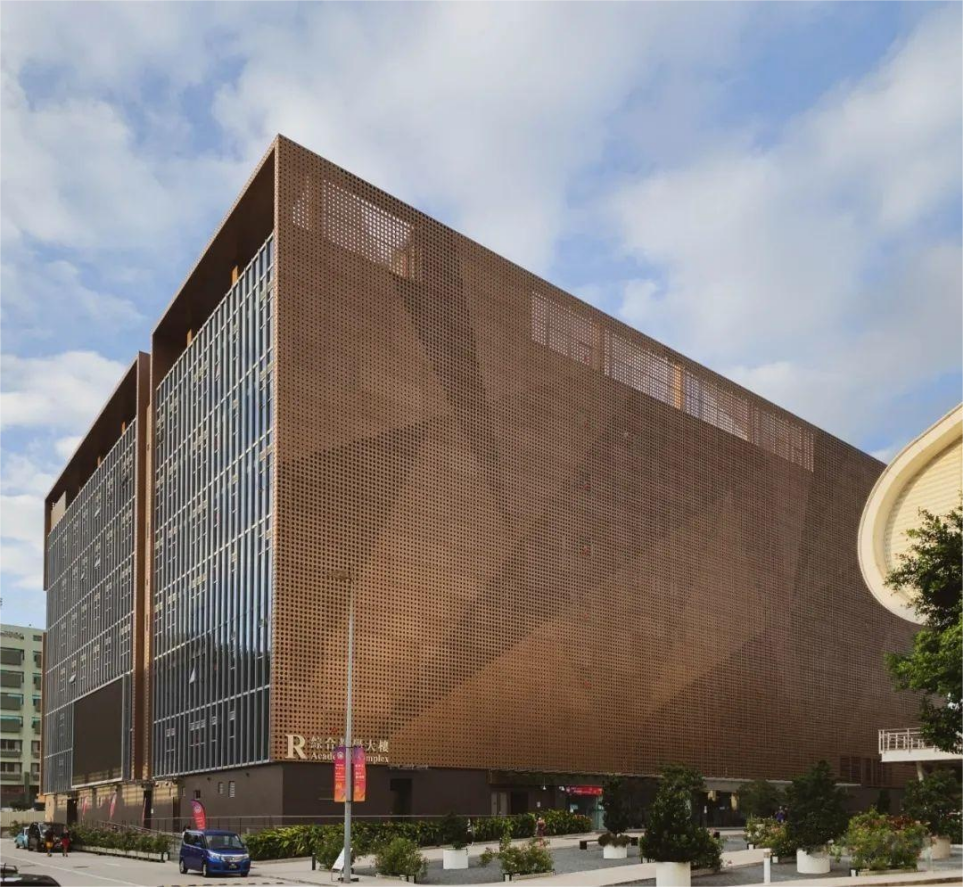
1. Building Background
Construction Standards: Block R was constructed in 2019 following the "Assessment Standard for Green Building (Macau Version)".
Whole Life-Cycle Concept: Maximizes energy, land, water, and material savings while reducing pollution throughout the building's life cycle; provides healthy, applicable, and efficient use space, and coexists synergistically with nature.
2. Certification Highlights
Level: Platinum (the highest level in this system).
Scope: Comprehensive performance in operation and management, energy and water efficiency, indoor environmental quality, resources and circular utilization, etc.
3. Significance
A model achievement integrating the concept of sustainable development into campus construction and talent cultivation.
4. Follow-up Work
Continuously monitor and optimize energy, water resources, and indoor environmental indicators as required by the certification;
Promote experience sharing and training to support local green building promotion and capacity building.
(Details: https://www.must.edu.mo/id-13630/article/view/id-38092.html?locale=zh_CN)
Expenditure on Arts and Heritage
Sustainable practices
[MUST Assesses Campus Commuting Carbon Footprint and Sets Green Transportation Development Goals]
To comprehensively advance the construction of a green, low-carbon campus, the Macau University of Science and Technology (MUST) has taken solid steps in the field of sustainable commuting. The University has not only completed a comprehensive carbon emission assessment of the campus transportation system but has also planned clear emission reduction pathways and future goals based on this assessment, committed to building a more environmentally friendly and healthier campus commuting environment.
Completed the Campus Commuting Carbon Emission Assessment, Laying the Foundation for Action
MUST places high importance on the environmental impact of campus operations and has conducted a systematic assessment of on-campus commuting methods and related carbon emissions. This assessment provides a scientific basis for the University to identify key emission sources and formulate precise and effective reduction strategies. Currently, based on the assessment results, the University has established comprehensive pedestrian and cycling facilities on campus, actively encouraging staff and students to adopt non-motorized transportation modes, creating conditions for sustainable commuting both in terms of hardware and culture.
1.Increase the proportion of green travel: Committed to significantly increasing the overall proportion of staff and students traveling by walking, cycling, and using public transport.
2.Optimize shared and electric vehicles: Increase investment in and optimization of electric vehicle supporting facilities, shared van, and shared bicycle systems, providing a safe and convenient campus environment for them.
3.Reduce commuting carbon emissions: Set targeted emission reduction goals to continuously lower the carbon footprint generated by commuting.
[Campus Life]
MUST actively promotes low-carbon transportation, provides walkways and bicycle parking facilities, and has installed electric vehicle charging piles to encourage the use of more environmentally friendly travel tools within the University. At the same time, the school supports remote work to reduce disease transmission, avoid severe weather, reduce travel carbon emissions, etc., encouraging staff to work from home whenever possible.
MUST actively promotes the concept of environmentally friendly travel, creating a green and comfortable learning and living environment for teachers and students. (Details: https://ga.must.edu.mo/page/environmental-protection.html)
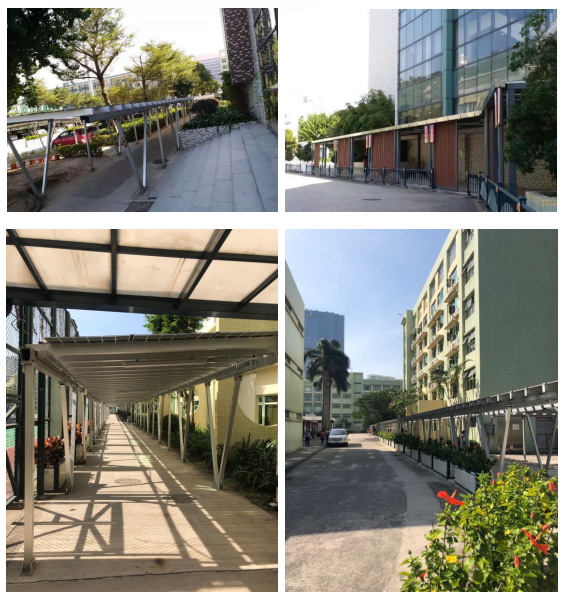
Figure 1 Canopies Installed on the Walkway in MUST
[Macau University of Science and Technology's Flexible Work Practices: Utilizing Remote Work for Special Circumstances to Ensure Efficient Campus Operations]
To cope with special circumstances and enhance operational resilience, the Macau University of Science and Technology has implemented remote work modes under specific scenarios, demonstrating its flexibility in modern campus management.
1.Comprehensive Remote Work Practice During the Pandemic
During the COVID-19 pandemic, MUST quickly launched a comprehensive remote work and online teaching mechanism, ensuring the normal operation of the University's core functions.
Online Teaching System Guarantee: The University rapidly built the "WeMust Cloud Classroom" online teaching platform, relying on Zoom and Moodle systems to achieve remote teaching for all courses. IT staff conducted extensive development, testing, and training work during this period, and these technical support activities themselves adopted remote collaboration models.
Online Migration of Administrative and Academic Activities: In addition to regular teaching, the University transferred multiple core tasks online, specifically developing integrated online service functions such as "cloud meetings, cloud exams, cloud defenses, cloud interviews, cloud project proposals," enabling key academic activities like postgraduate defenses and academic seminars to be successfully completed in the cloud.
(Details: https://www.must.edu.mo/cn/news/32102-article02171913-c)
2.Work Arrangements During Inclement Weather
Regarding inclement weather such as typhoons, MUST's standard arrangements are as follows:
Safety First Principle: The University will refer to the relevant regulations of the Macao SAR Government and issue all-day work and class suspension notices when typhoon or rainstorm warnings are issued, prioritizing the safety of faculty, staff and students.
(Details: https://www.must.edu.mo/page/id-14427.html)
3.Technical Support and Infrastructure
MUST has established a technical foundation supporting large-scale remote work: The "WeMust Cloud Classroom" and series of cloud services successfully developed and maintained by the Information Technology Development Office prove that the University possesses the technical capability to support all-staff remote work and teaching. The campus-wide 5G dedicated network allows teachers and students to securely and quickly access the campus intranet from anywhere in Macau, providing an advanced network infrastructure for flexible work.
(Details: https://www.must.edu.mo/cn/news/31963-article02121235-c)
[Staff Dormitories: Starting a New Life of Living and Working in Peace and Contentment in Macau]
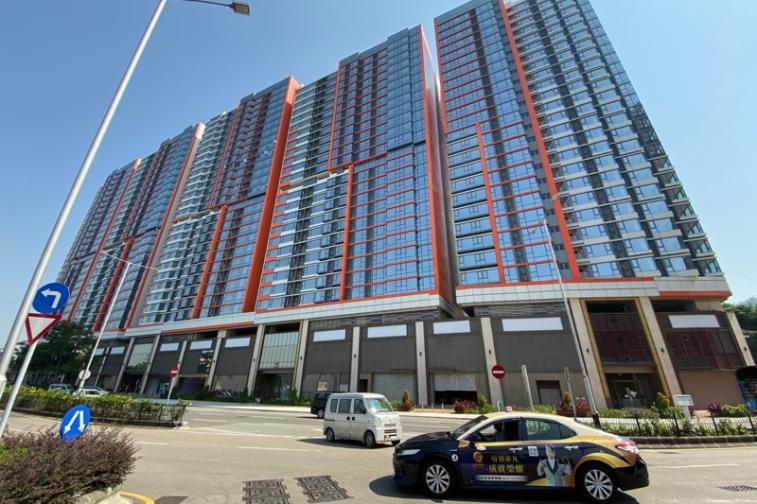
The University provides staff dormitories for application, located at Regency Grand, Estrada de Seac Pai Van, Coloane, Macau. The dormitory location offers convenient transportation, adjacent to the LRT station and bus terminal, providing quick access to various places; surrounded by complete living facilities, set amidst natural green spaces, and close to a large medical center and international school, fully meeting the living needs of residents.
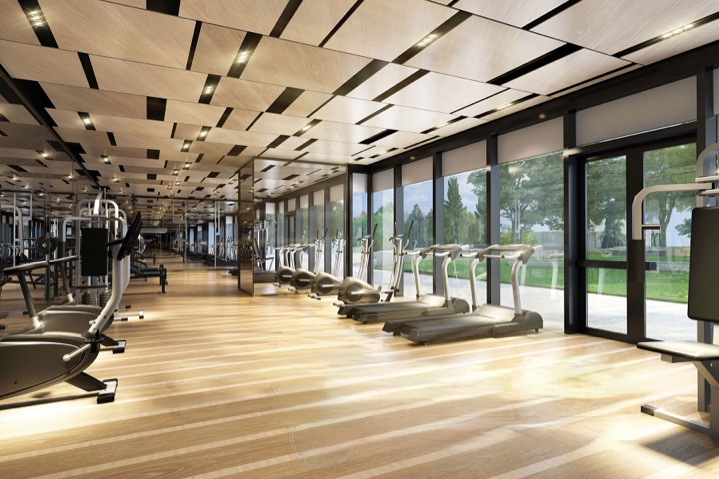
The dormitory building is equipped with a sky garden clubhouse, leisure area, reading area, recreational fitness area, and 24-hour security service, meeting daily life and leisure needs. In addition, the dormitory prices are reasonable, providing staff with an affordable housing option. (Details: https://hro.must.edu.mo/page/welfare.html)


[Modern Student Dormitories: Starting a Safe and Independent Wonderful Life]
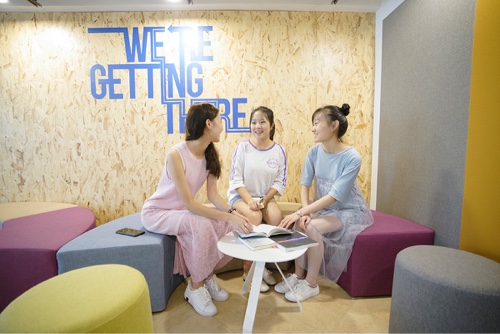
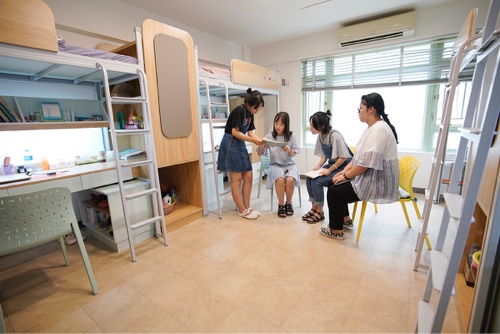
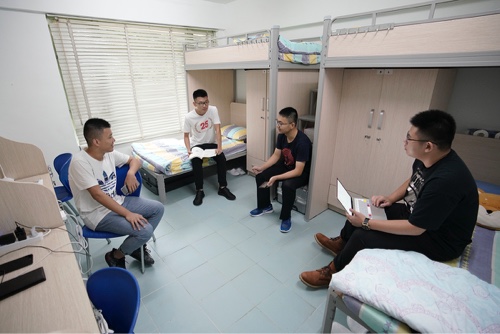
We provide modern student dormitories for students from various places, aiming to allow students to experience independent communal life in a safe and affordable environment. The dormitories provide 24-hour security, medical support, and life tutor guidance, comprehensively safeguarding student well-being. The dormitories have complete living and leisure facilities, including shared kitchens, laundry rooms, reading areas, and recreational fitness areas, among other diverse spaces. We offer a variety of room types; some rooms are suites with private bathrooms, while others are standard rooms with shared bathrooms. All rooms are supplied with hot and cold water and air conditioning, ensuring different living needs are met.
We are even more committed to creating a community atmosphere of mutual support and growth. Through rich cultural and recreational activities led by senior students, freshmen can easily learn local culture and language, quickly integrate into campus life, and allow students away from home for the first time to feel the warmth and joy of home. Through positive interaction and exchange, students can develop good habits and study ethos, laying a solid foundation for a fulfilling life.
(Details: https://sa.must.edu.mo/page/id-3167.html)

[Living at MUST]
MUST is committed to providing comfortable and convenient accommodation conditions for faculty, including modern facilities. Additionally, it provides low-cost housing, medical insurance, and a flexible leave system to support faculty's economic, health, and personal development (Details: https://www.must.edu.mo/admin/hro/welfare). For students, MUST also focuses on providing comfortable and convenient accommodation conditions, equipped with modern facilities, security, and abundant public facilities, while ensuring affordable accommodation prices and providing various types of support, aiming to create a warm and vibrant environment for students to fully develop their academic and personal potential (Details: https://www.must.edu.mo/student-affairs-office/student-dormitory/intro).
[Brownfield Priority Construction Principle and Practice]
Principle Commitment
Where feasible and compliant, the University prioritizes construction and renovation/expansion on "brownfield sites" (referring to previously developed land that has undergone or recently seen construction activity), reducing the new occupation of green spaces and natural habitats, and enhancing land use efficiency. The practice of prioritizing existing built-up areas and existing land plots is continuously being implemented.
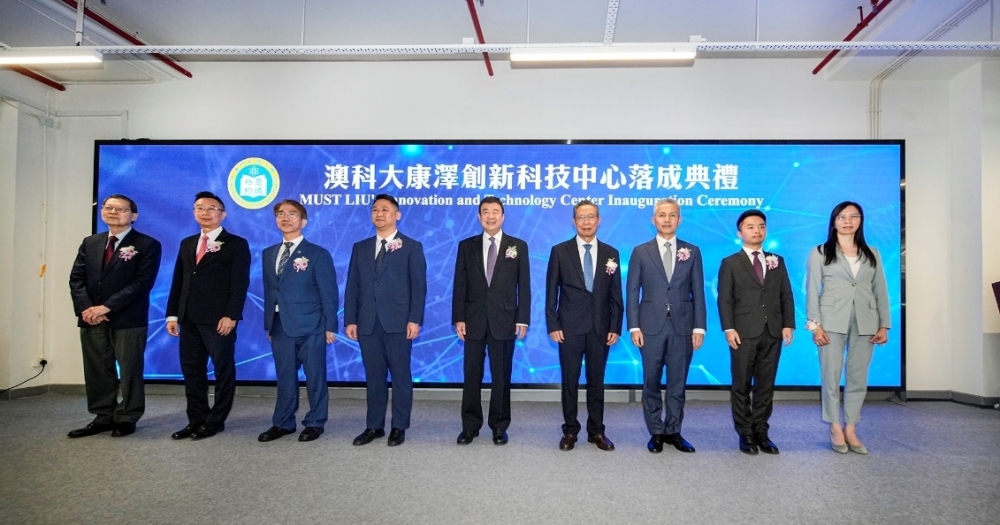
Practice Case|MUST Hong Chak Innovation Technology Center
Completion Date: October 31, 2023
Site Nature: Located within the Lotes Unidos Industrial Park in Coloane, utilizing existing land within an established industrial park (non-greenfield development).
Functional Positioning: A collaboration between MUST and Hong Chak Industrial & Commercial, aligning with the Macau SAR Government's policy direction, to build an off-campus academic research center integrating high-end manufacturing technology, achievement R&D and demonstration, and industry-academia-research translation, aiding industrial upgrading and moderate economic diversification.
Follow-up Commitment
If future projects involve strictly defined "brownfield redevelopment," the University will conduct site environmental investigations, necessary pollution control and verification according to law, and disclose key information externally; simultaneously, it will continuously inventory campus land and surrounding existing land plots, prioritizing these locations when planning and conditions permit.
(Details: https://www.must.edu.mo/cn/news/54659-article1031185537-c)
[Green Buildings]
Macau is located in southern China, with a total geographical area of approximately 32.9 square kilometers. With rapid economic development and accelerated urbanization, the demand for land in Macau has been increasing, especially in tourism, accommodation, commerce, and residential sectors. To meet the demand, the Macau government monitors, manages, and utilizes land in brownfield areas. Macau University of Science and Technology, from its initial construction, has utilized brownfield sites as much as possible. In subsequent constructions, it focuses on the carbon emissions throughout the building's life cycle, emphasizing green buildings and carbon neutrality. Macau University of Science and Technology (MUST) constructed the Block R complex on campus in 2019 following the "Assessment Standard for Green Building (Macau Version)" and planned to obtain the BEAM Plus (EB) green building certification from Hong Kong in December 2024. Additionally, the international seminar "Enhancing Building Energy Efficiency, Contributing to Low-Carbon Development" was held on May 29, 2023, in Room O702 at MUST. The conference focused on how to improve building operational efficiency to reduce building carbon emissions under the "Dual Carbon" background, inviting experts and scholars from Mainland China, Japan, and Macau for keynote speeches and interactive exchanges with local industry representatives and students. For details, please see https://www.must.edu.mo/id-13630/article/view/id-18719.html).
Furthermore, MUST closely collaborates with local authorities to address land use and social development challenges, especially in ensuring affordable housing, promoting community connections, advancing sustainable development, and enhancing community quality of life. Professor Ma Yibing emphasized the key points for implementing carbon emission reduction in the construction industry and the issue of carbon emissions throughout the building's life cycle, looking forward to working with all sectors of society through exchange and learning to contribute to low-carbon development.
Optimizing Land Use: Brownfield Redevelopment and the Revitalization of Existing Spaces
To meet the evolving research and teaching needs of the University community while protecting the natural ecology to the greatest possible extent, Macau University of Science and Technology adheres to the core principle of "intensive land use and sustainable development" in its master planning. As far as possible, we avoid damaging undeveloped natural greenfield land, prioritizing instead the renewal and redevelopment of brownfield sites (land that has already been developed but is underused) or existing built-up land.
In recent years, the University has actively undertaken a number of campus 'revitalization' projects aimed at bringing idle resources back into use and delivering greater well-being to the faculty and student community:
Rebuilding on Existing Sites and Upgrading Facilities: The University has carried out in-depth refurbishment and rebuilding of some of its early ageing facilities and logistics areas. By undertaking modernization on the original sites, we have not only introduced state-of-the-art research laboratories, multi-functional learning hubs and student service facilities, but have also fully incorporated environmental sustainability standards in the process (such as upgrading energy-saving systems and optimizing natural ventilation and lighting), substantially reducing the ecological footprint of the new buildings.
Adaptive Reuse of Underused Spaces: The University continually identifies 'underused spaces' or idle areas on campus and transforms them into vibrant public spaces. We replan former functional areas, retaining some of the campus's historical character and distinctive features while converting them into modern office areas, innovation and incubation spaces, and green rest plazas.
By prioritizing construction and retrofitting on brownfield and already developed land, Macau University of Science and Technology has not only effectively controlled the impact of campus expansion on the surrounding environment, but has also successfully built a compact, resource-efficient and vibrant sustainable campus.

